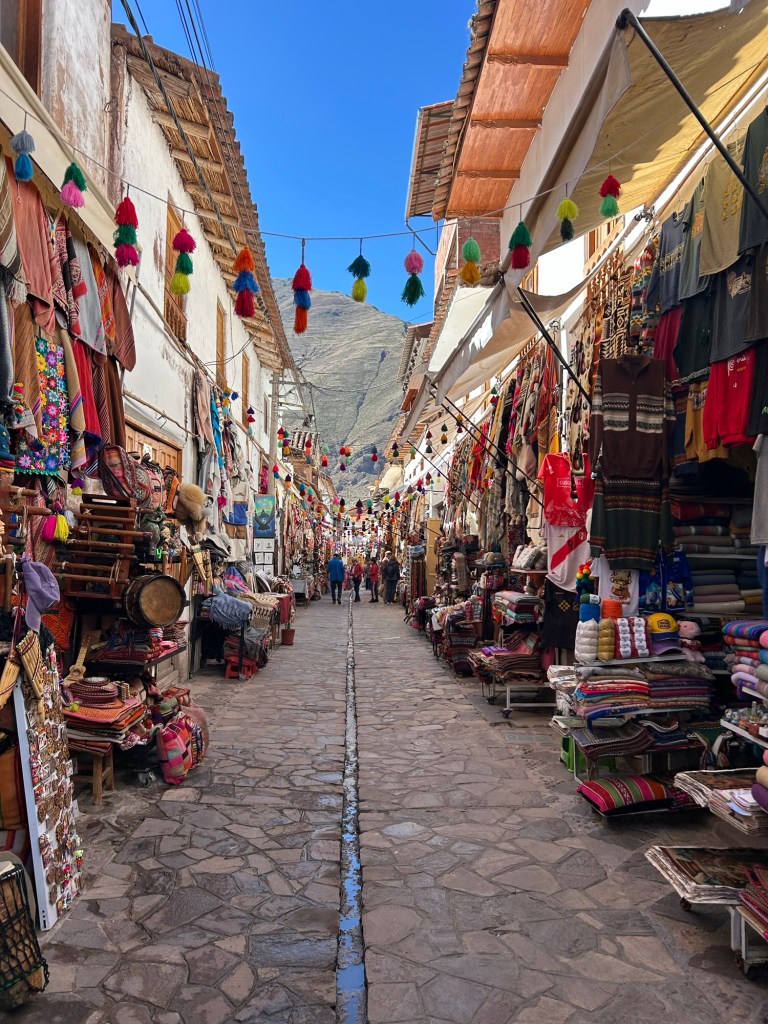
My my what a time we’ve had the past few days! Our time here in the Cusco/Sacred Valley area has not seen one second wasted. We’ve been to Pisac, Ollantaytambo, driven through various little towns of the Sacred Valley, traveled all the way up to the cloud forest and Machu Picchu, and then back to Cusco. We’ve got a lot to catch up on, so let’s go!
El Albergue Hotel
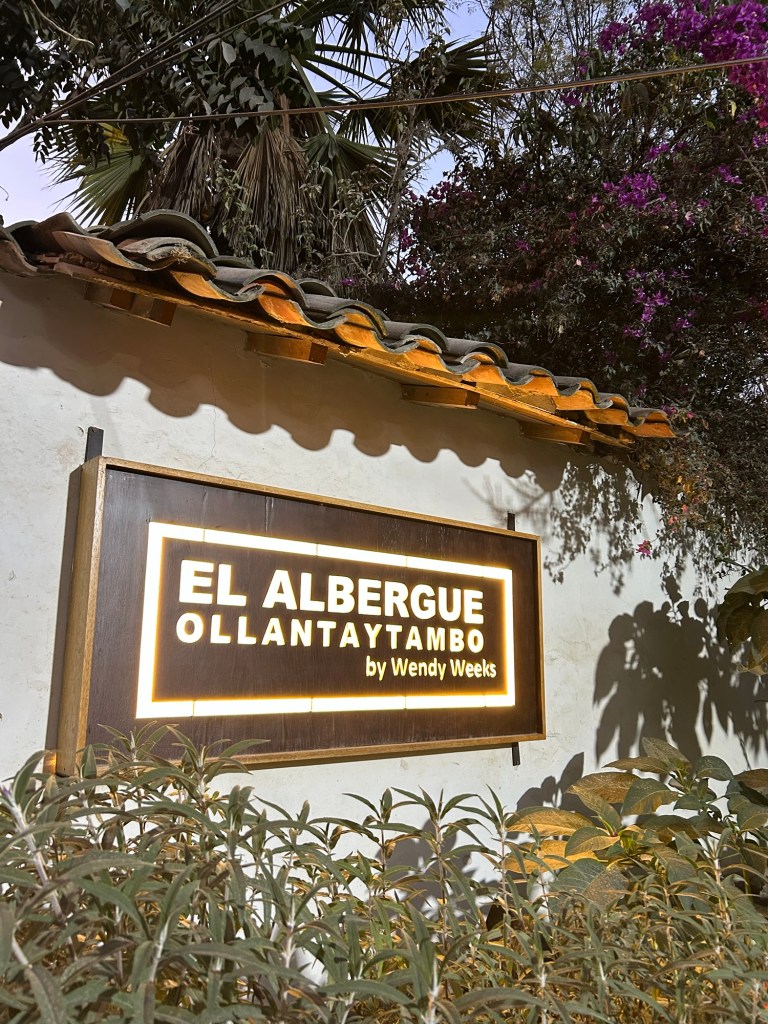
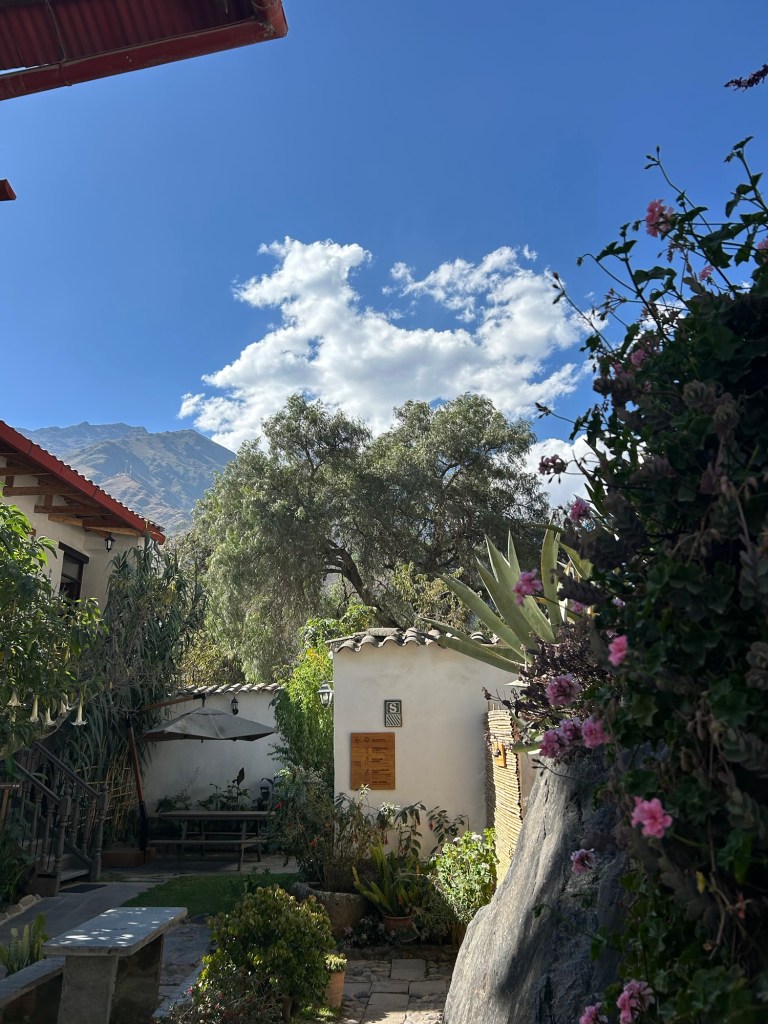
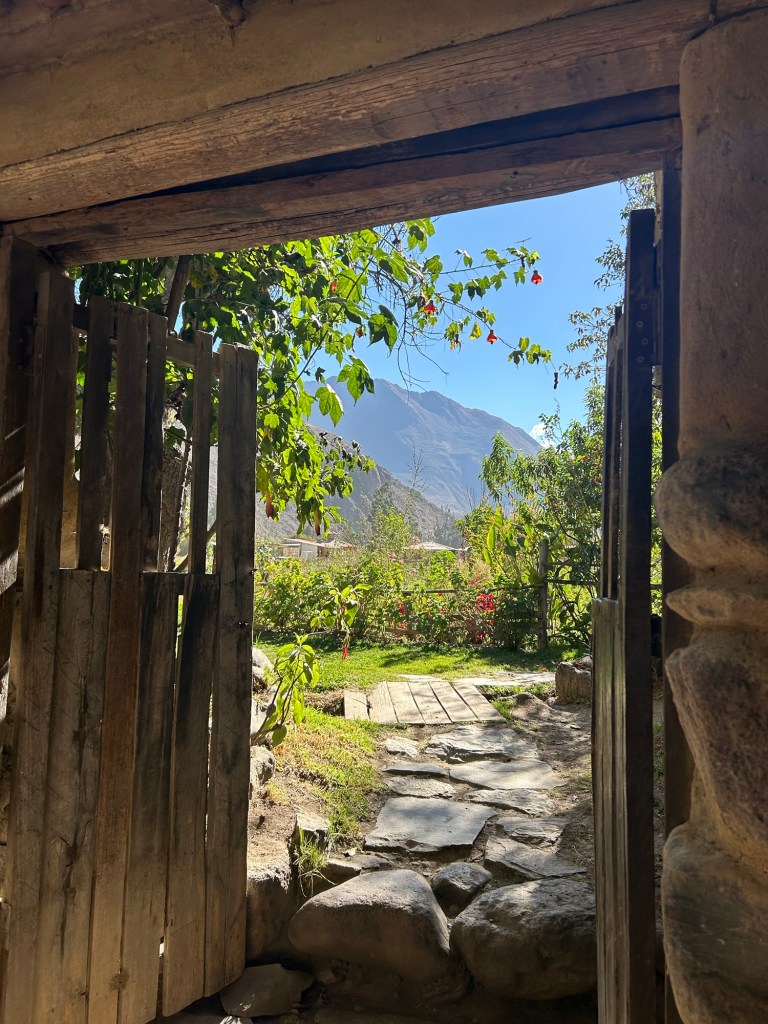
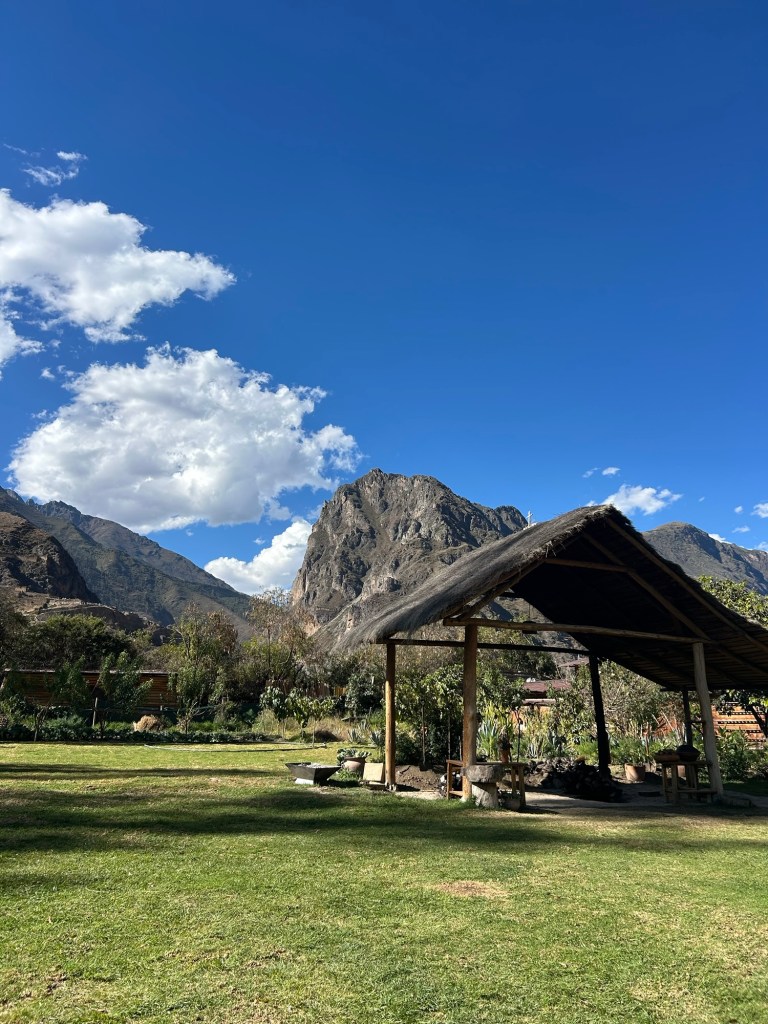
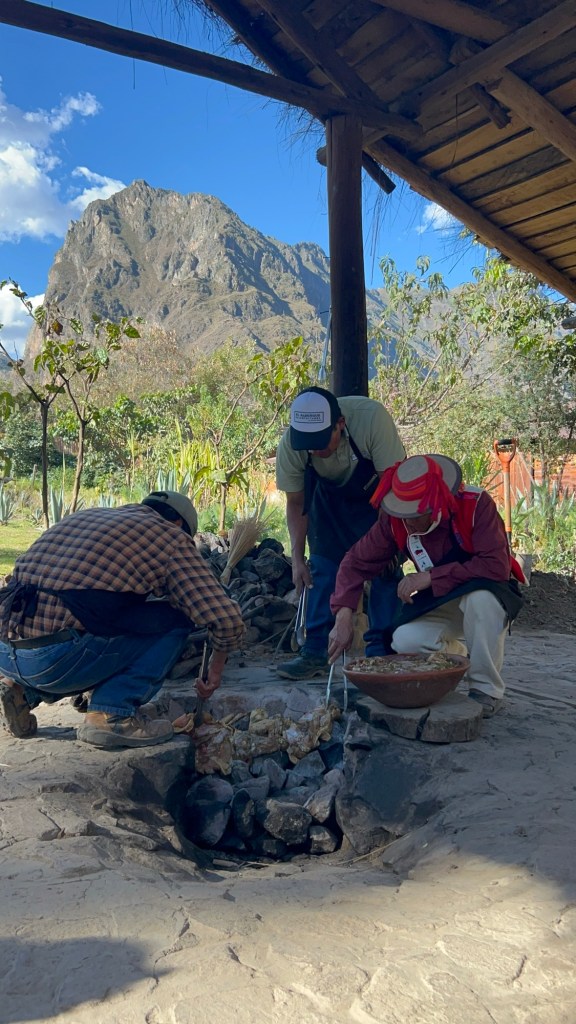
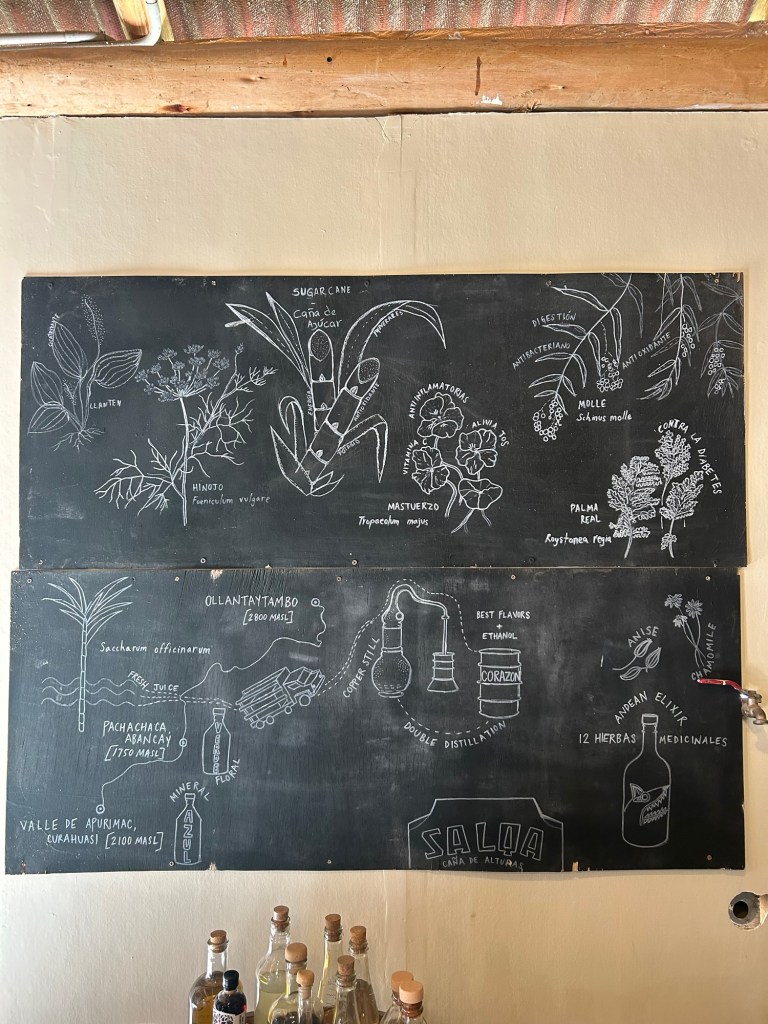
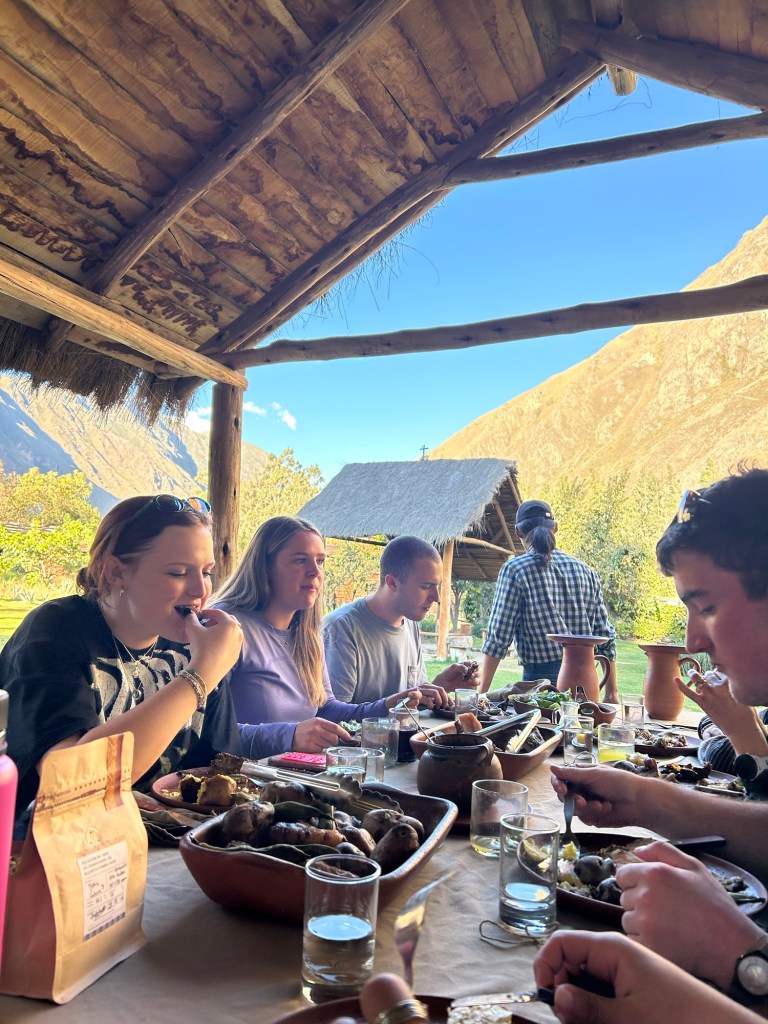
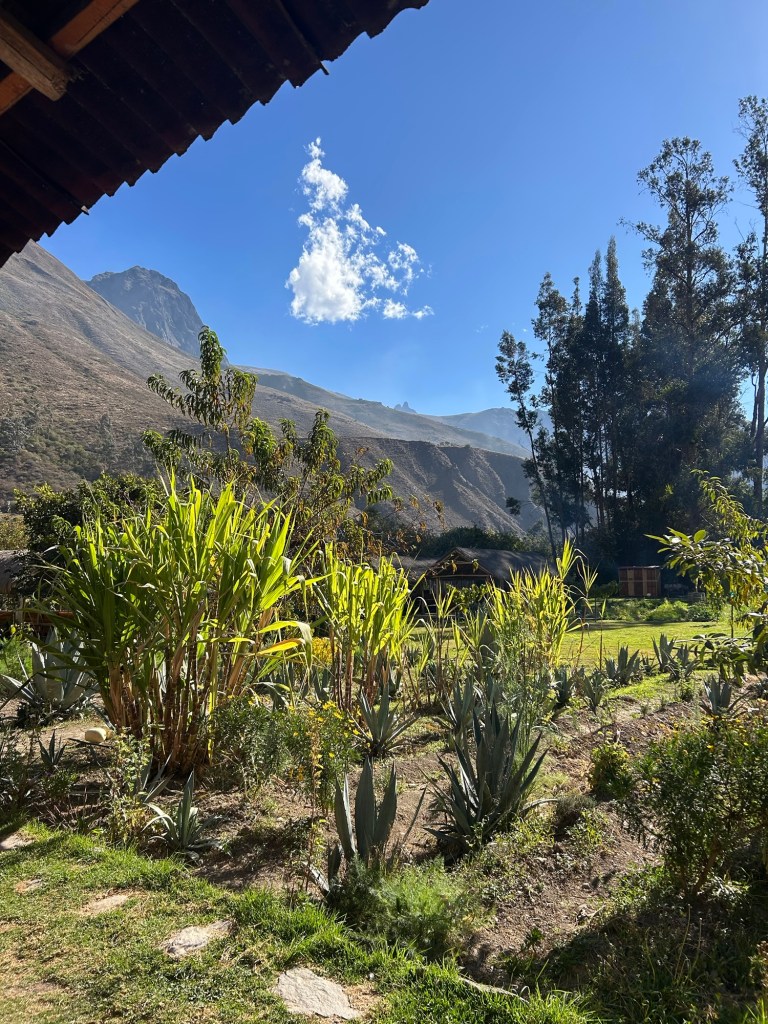
Our first corporate visit took place at the El Albergue Hotel, famously known for its set up as a self-sustainable methods and traditional values. The main building of the hotel had stood for 100 years, and was first constructed as a living quarters for workers laying the railroads. Now, the hotel boasts 16 rooms, a distillery, a coffee roastery, and acres of gardens. But the crown jewel is their restaurant: Pachamanca. This restaurant uses traditional Inca cooking techniques, with a small pit dug in the ground, food items are placed on layers of hot rocks, covered with wet cloths, and buried with a light layer of topsoil. We were fortunate enough to watch this tradition, and eat the fantastic meal afterwards.
The name “Pachamanca” comes from two words. ‘Pacha’ means earth, and ‘manca’ means pot. Together it refers to the symbolism of cooking with the earth. It was a beautiful thing to experience, and the food tasted even better because of it. But it was very interesting to see how this “circle of life” essence was woven into everything. All the food they cook and eat are sourced from their farms or nearby ones.
The hotel also practices circularity, as we saw with the guinea pigs. They keep them to eat, but use their waste to fertilize their gardens. The distillery uses a wide variety of products from the garden, and the roastery uses coffee beans grown on the farm. Everything has a purpose and a place, and all of it is stewarded very wisely. It really puts into perspective how the Incas did the same, and how there are still communities today doing it as well. Most of those people will never receive the credit, but also there are so many people who won’t even think it’s possible until visiting a place like El Albergue.
In a society where instant gratification and simplicity are valued above all else, it really shows how far we’ve come. More so how far we’ve regressed. It almost saddens me to see places like the hotel thrive, knowing I have nothing like it to go back home to and visit. For a place to be so beautiful and have so much intention and dedication poured into it, there is nothing like the experience of witnessing it before your own eyes.
I was taken aback by the beauty of it all, and while I do believe aesthetics were partly in mind, most of the beauty comes from the hotels natural resources. The mountains surrounding provide the perfect backdrop, the fields are green, the gardens are full and colorful, and you can smell the fresh coffee beans being roasted. None of those are man made. Yes, they are touched and kept my man, but they come from the earth, from creation itself. Only God can provide that kind of true beauty.
Awamaki: The Weavers’ Cooperative
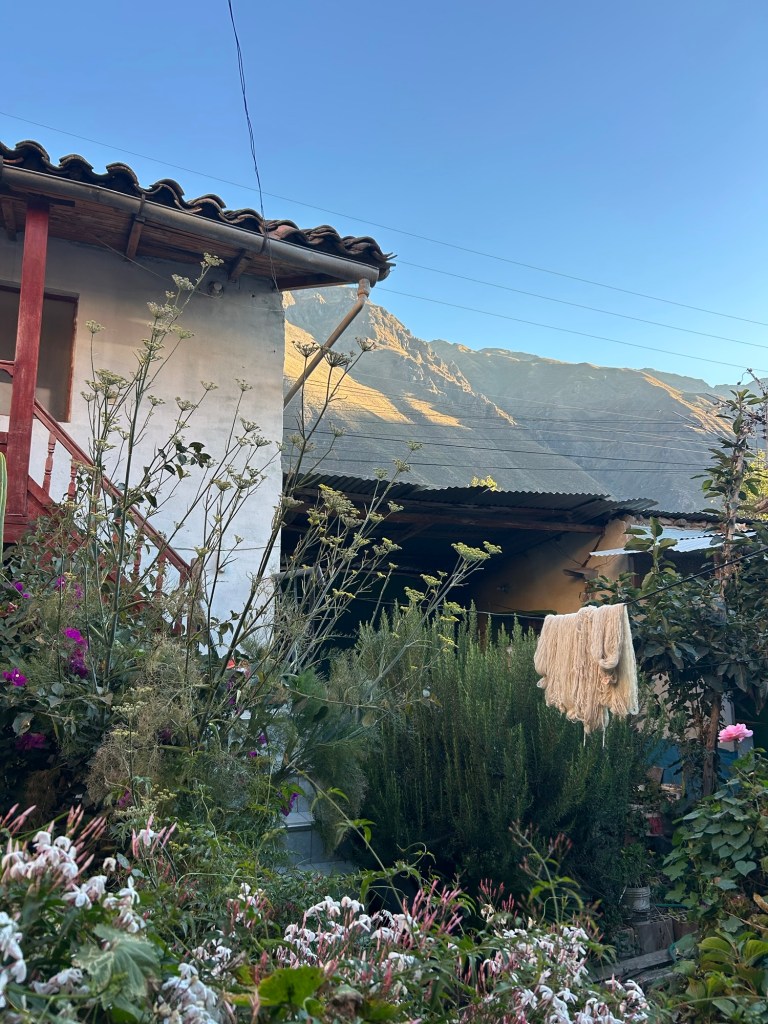
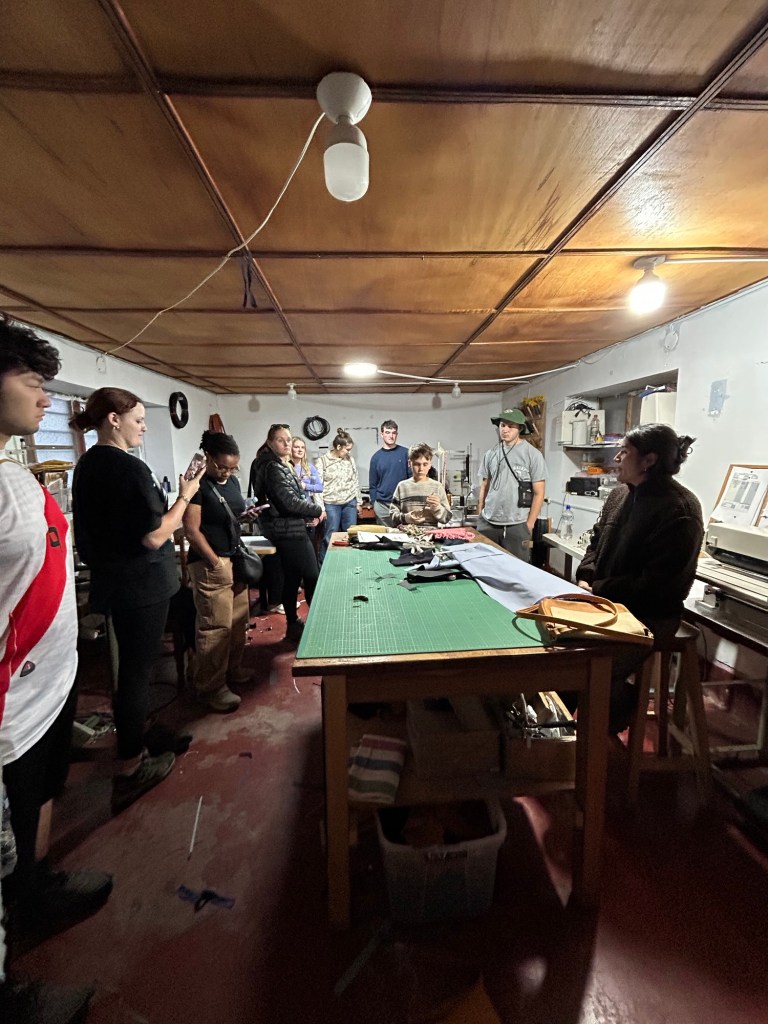
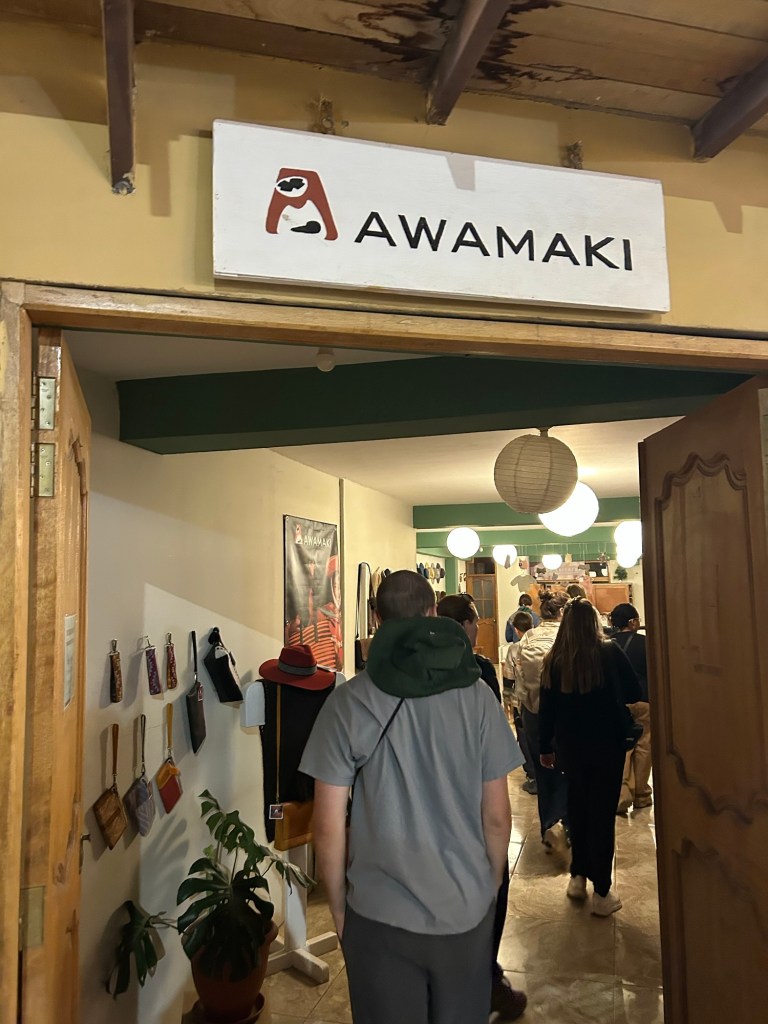
Our second visit of the day was with the lovely women at Awamaki, an organization that partners with the Andean weavers of six local communities around Ollyantaytambo. The weavers are spread all across the Sacred Valley, with one even in the highlands. Awamaki exists to connect these women and their trade with global markets. They are also working to educate and train younger generations in the traditional weaving processes and yarn-spinning technique.
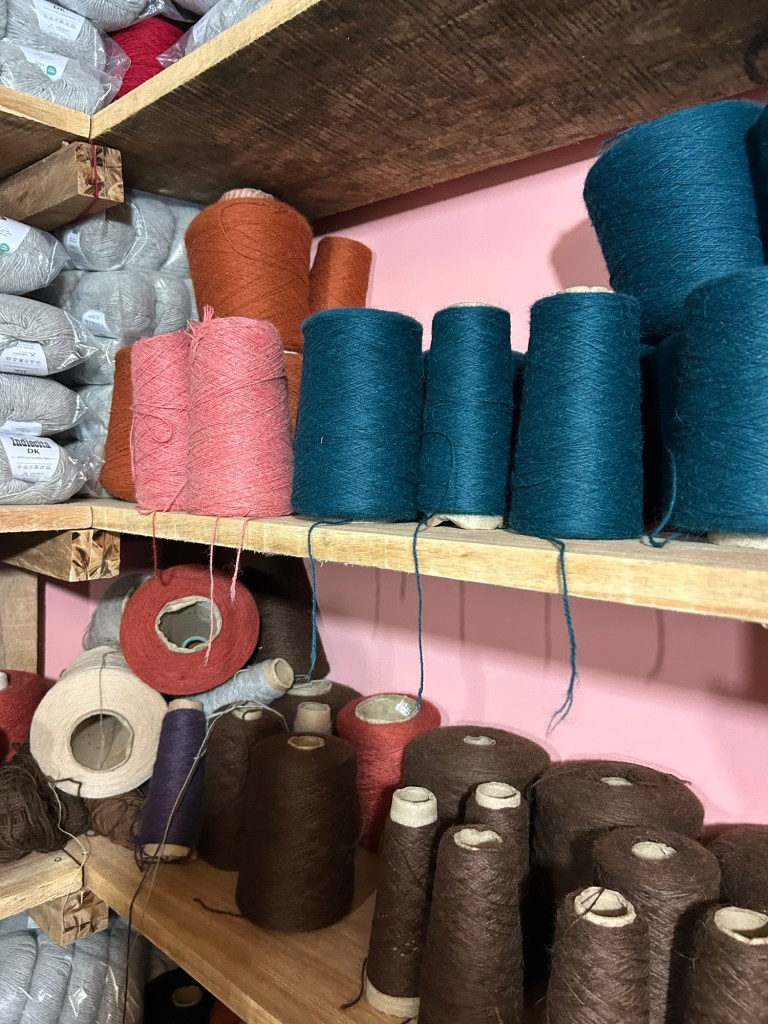
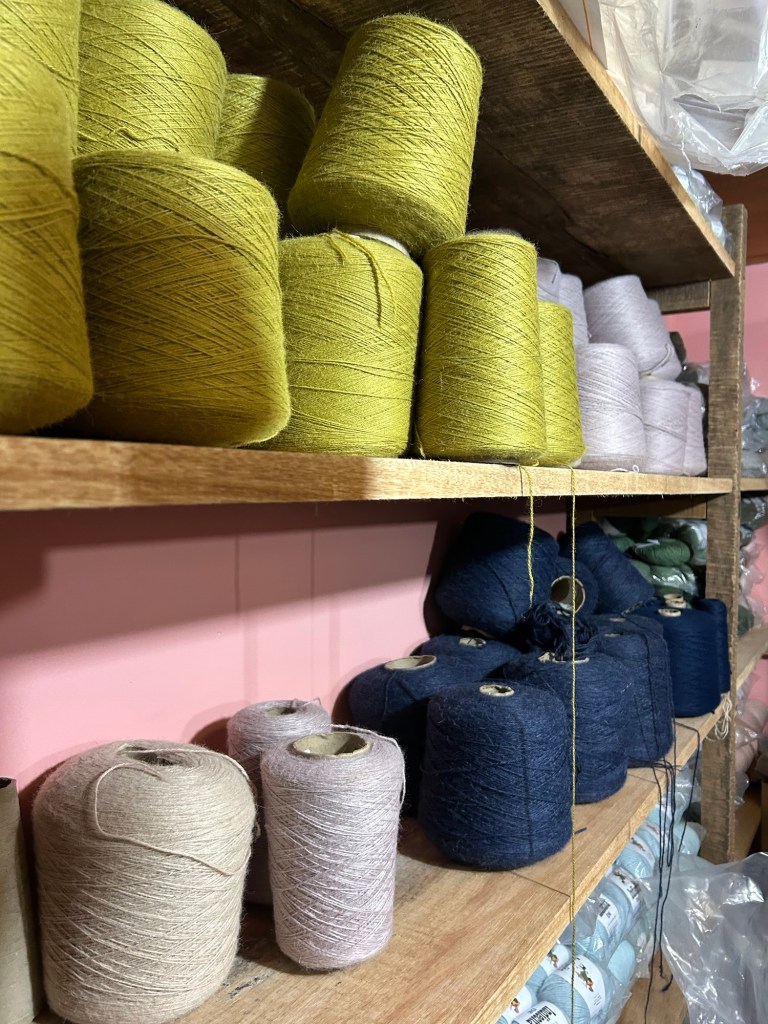
We were able to tour their office and workshop, getting a behind the scenes look at merchandise catalogues, the yarn room, and the sewing room. We spoke briefly about the design process and how designs and patterns are chosen each season. We also learned that Awamaki employs a ma who does all their leather work and construction of the bags. The leather is sourced from another reliable and sustainable company in another city, and all the weaved material is done by hand by the weavers. The two materials are combined into one final product, and sold in the Awamaki store in town, or shipped out as wholesale to other retailers. The scraps of fabric and leather are used for small projects, like currently they are being made into bucket hats!
One of our group members asked about how the recruiting process for the cooperative works. One main concern with organizations like this one is that they tend to take advantage of their partners, in this case the Andean weavers, where it be inadvertently or not. Awamaki makes no formal advertisements or pitches to communities, instead they spread their work by word of mouth. They want people to see what they are accomplishing and come for themselves, instead of being coerced into business deals.
I couldn’t help but notice the intent and dedication, similar to El Albergue, fueled the cooperative’s work. It was mentioned that in the long run, their goal was to not have to exist. Their goals are truly as simple as helping these women in these communities preserve their heritage and be able to benefit from their work. These women are provided a level of safety and security with their trade that otherwise would not be obtainable.
It was really wonderful to see the pride within the company, and how all their efforts aren’t for themselves, but solely for others. Modern corporate structures are rarely, if ever, the same. In the States, most businesses are built around finical gain, and there are some here and there that stand out with community and sustainability programs. As a business student, I really only read about business with a typical corporate structure, because unfortunately they are the most successful. Here and there social responsibility is mentioned in class or in a textbook, but it is never the main subject (unless you’re taking Prof. El-J’s Ethics class). It’s refreshing to see behind the scenes of companies like Awamaki, where their heart and soul are in their work.
On Top of the World at Machu Picchu
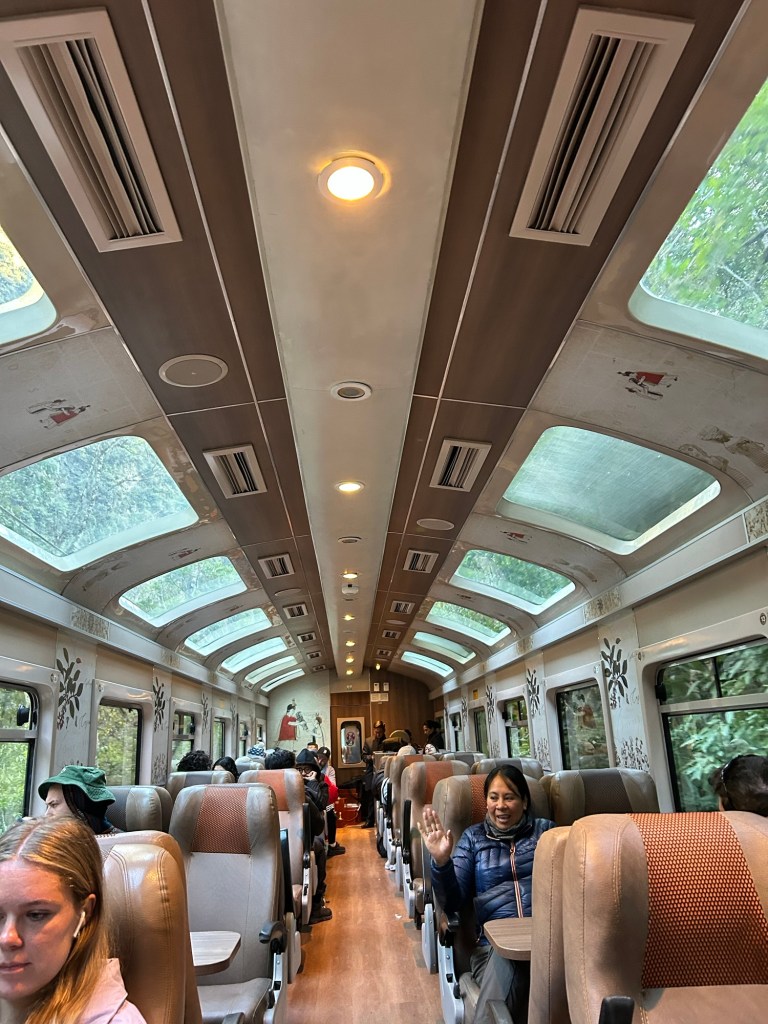
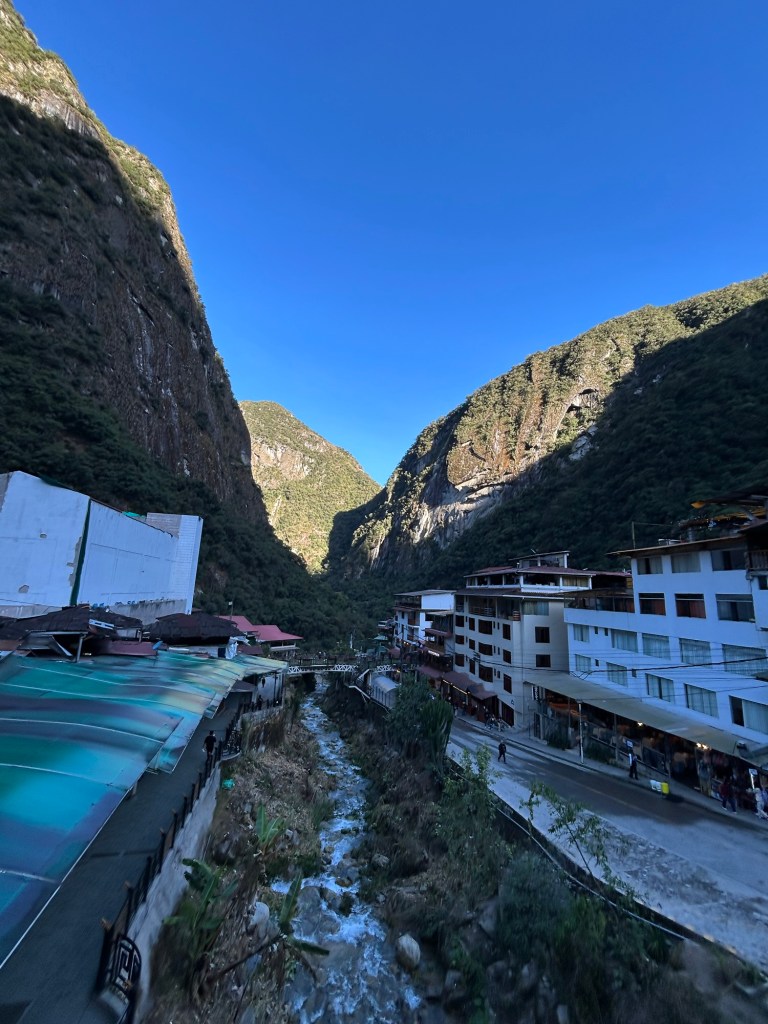
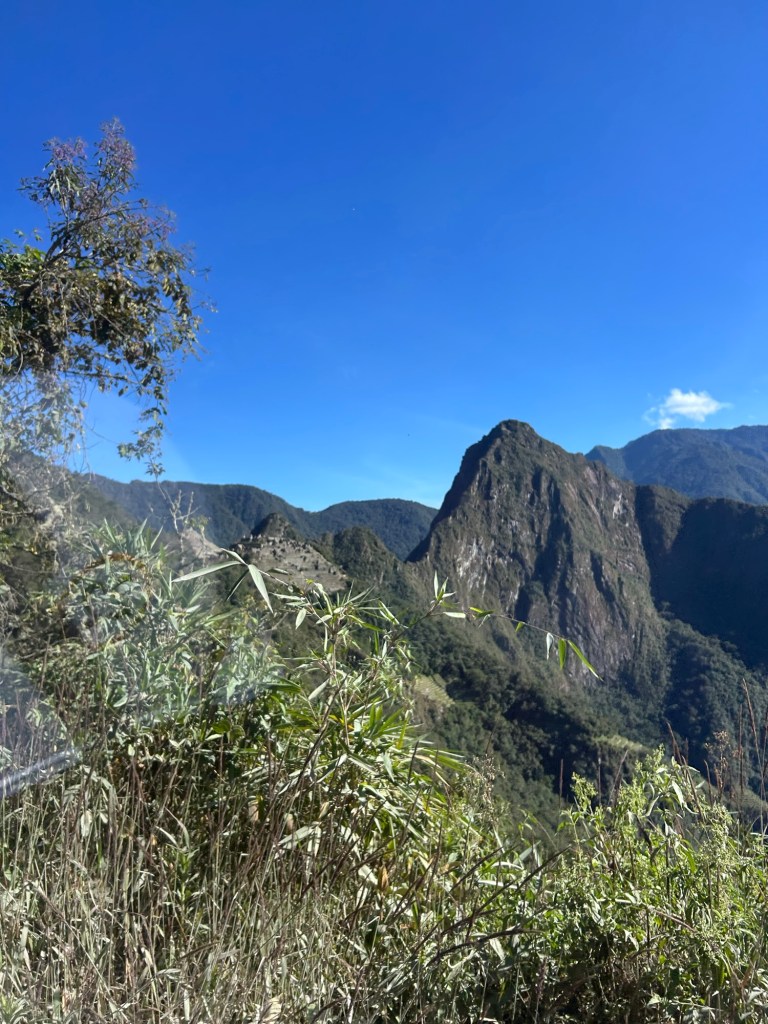
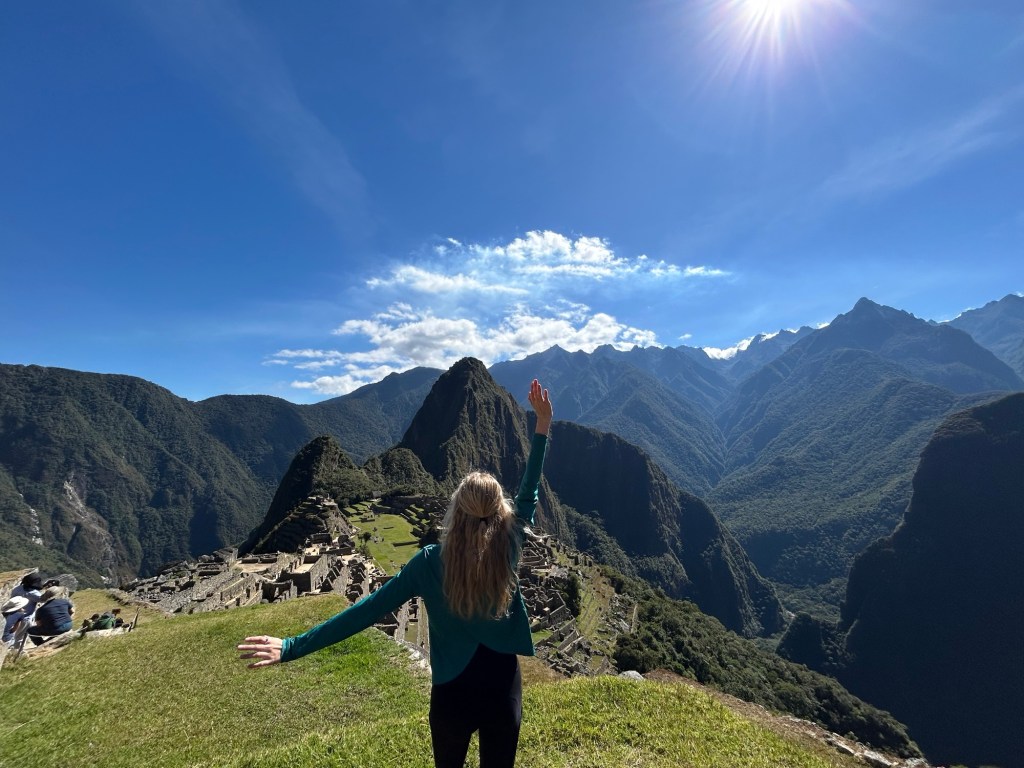
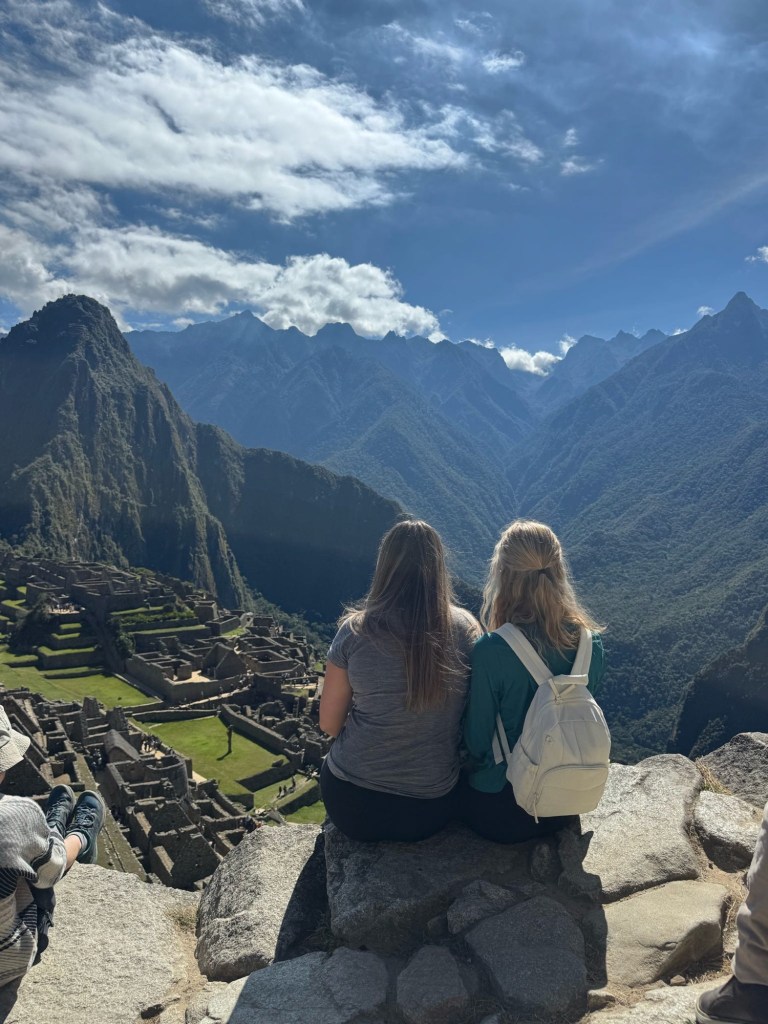
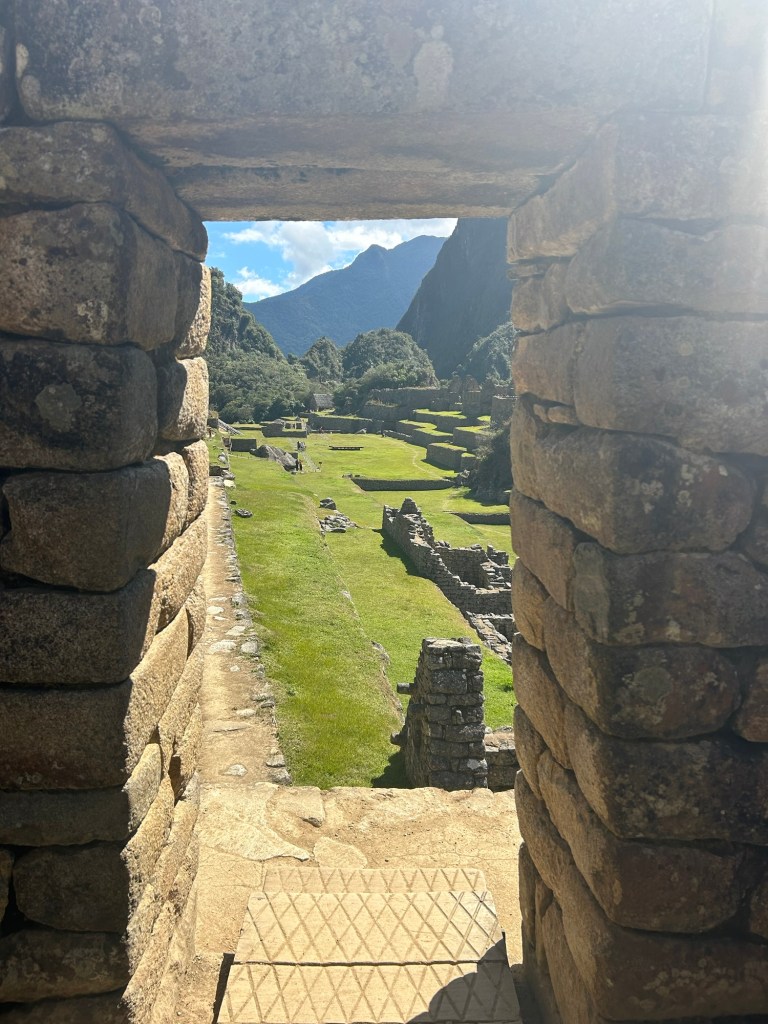
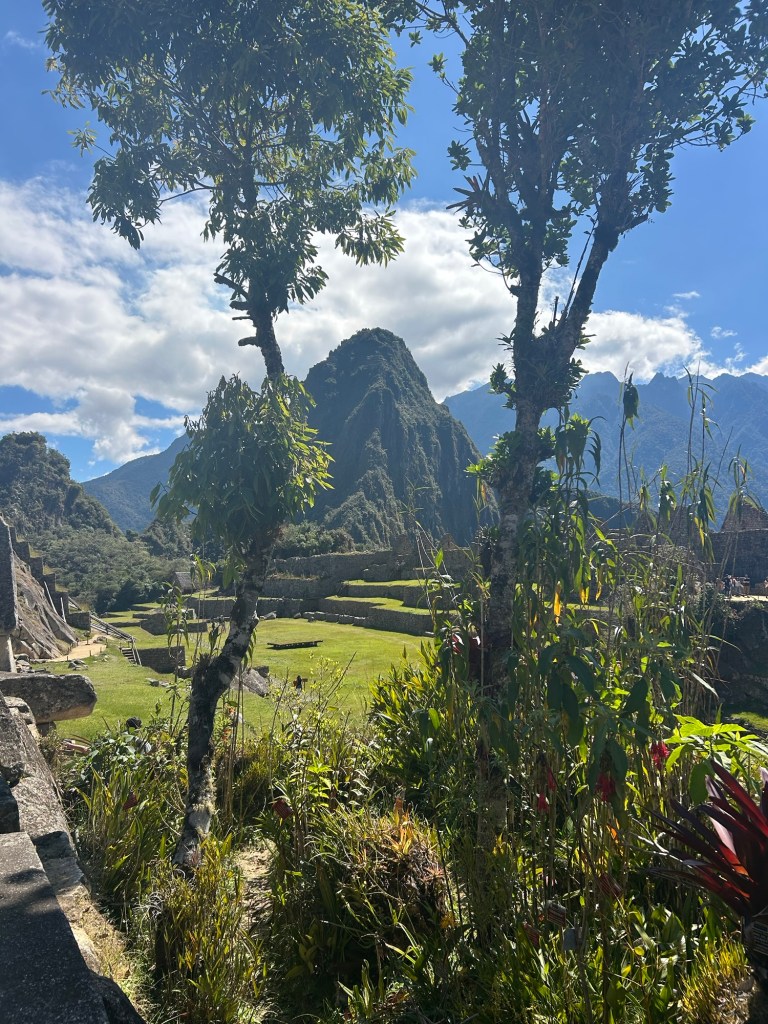
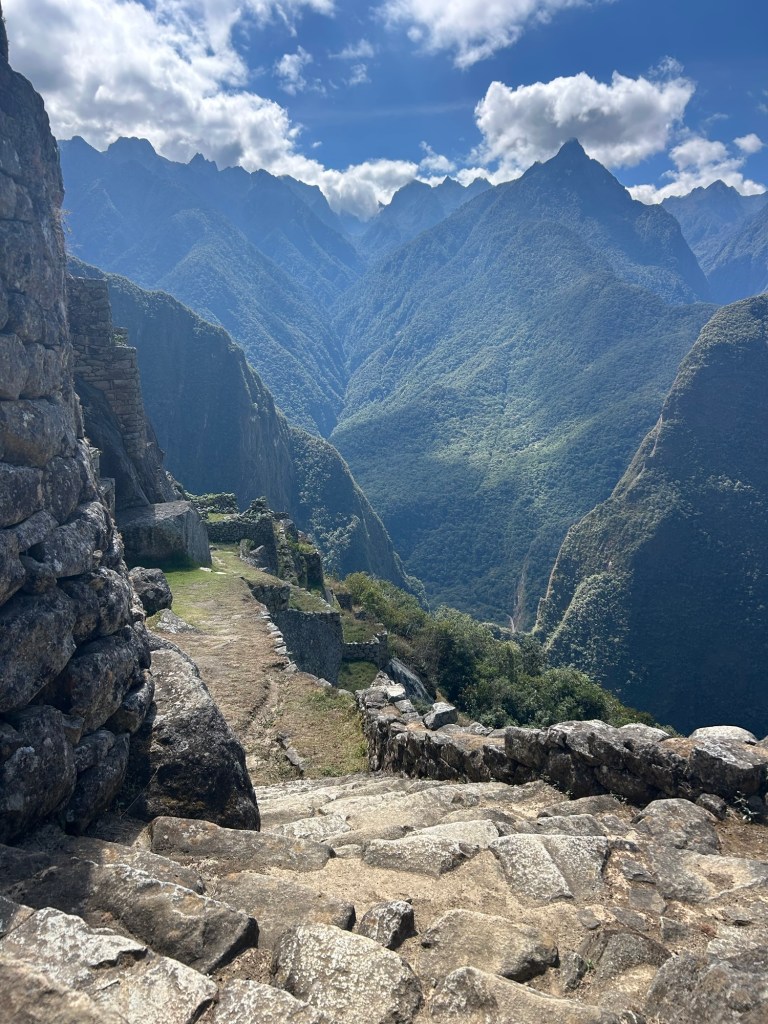
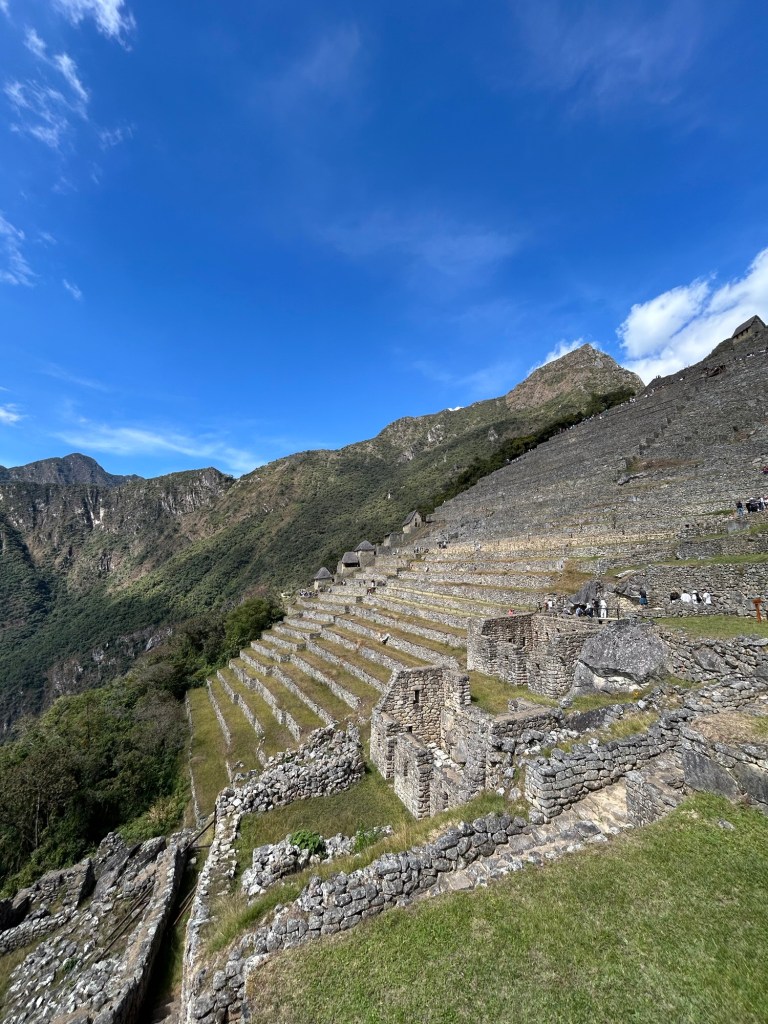
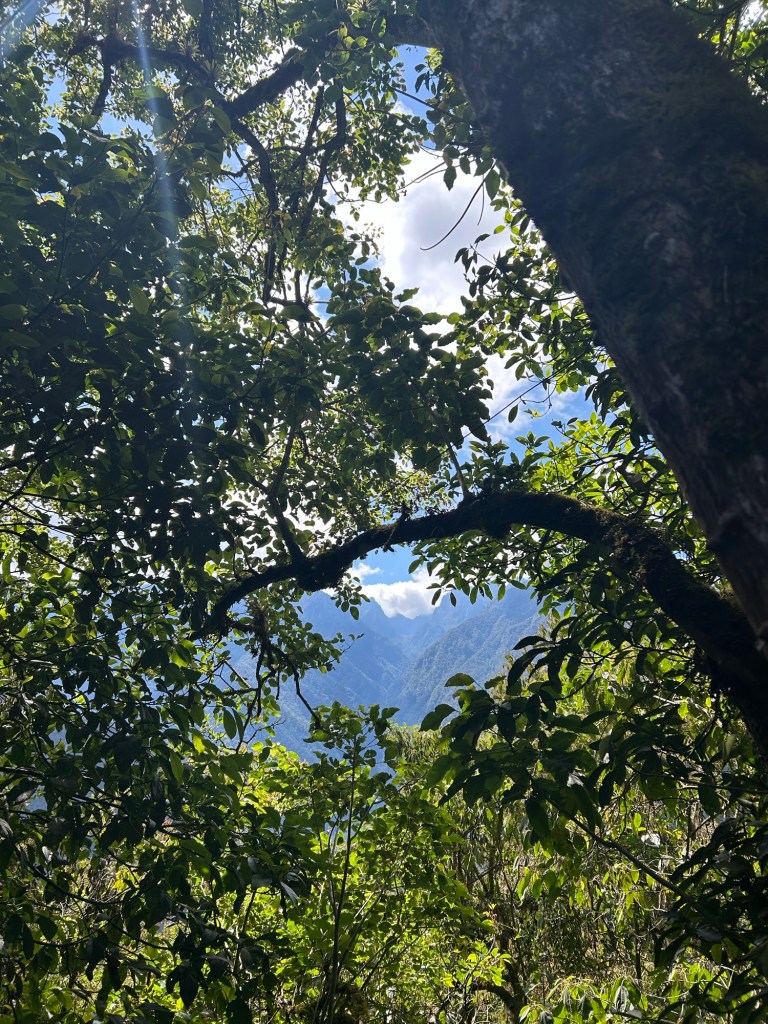
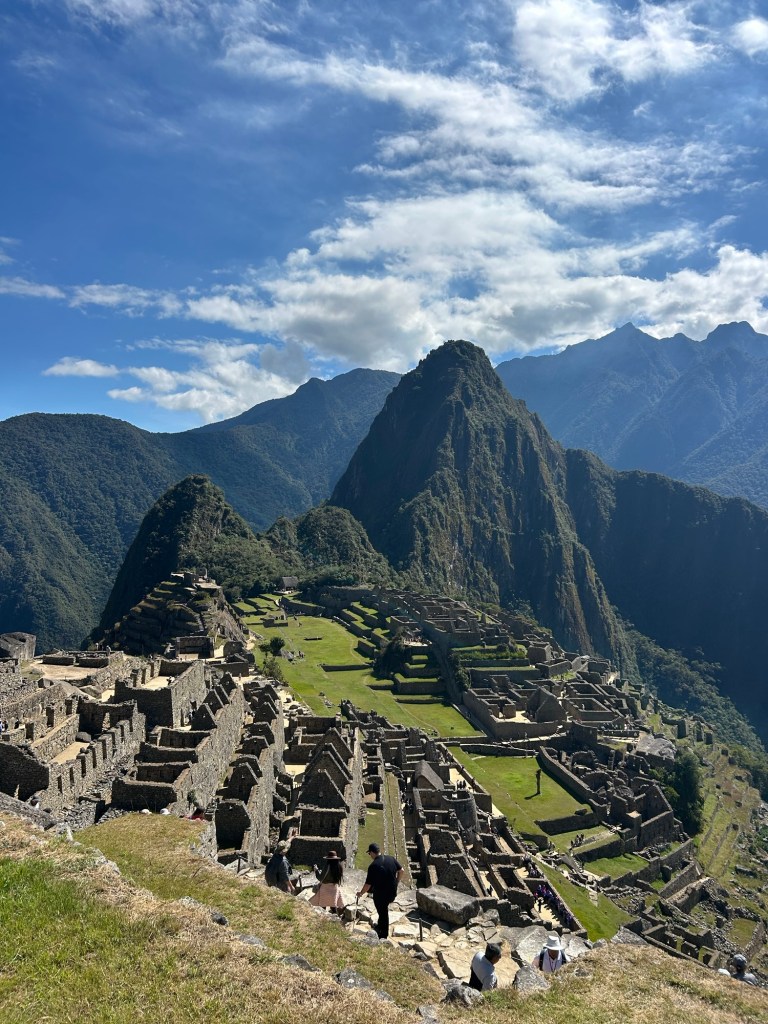
I thought I knew what to expect with this visit, but my goodness did it exceed everything I had hoped and dreamed! We were very fortune to be visiting the historic site on a beautiful, clear, bright day. The train was delightful, and the bus ride up the mountain was certainly entertaining. But the views from everyone point were beyond anything I’ve ever seen. When we finally walked through the gates and saw Machu Picchu for the first time, I almost screamed. It felt like I was dreaming! I know that sounds dramatic but it’s the truth. Before I left for this trip, I watched a documentary specifically about the history of this scared city, and it was amazing to actually see it in real life.
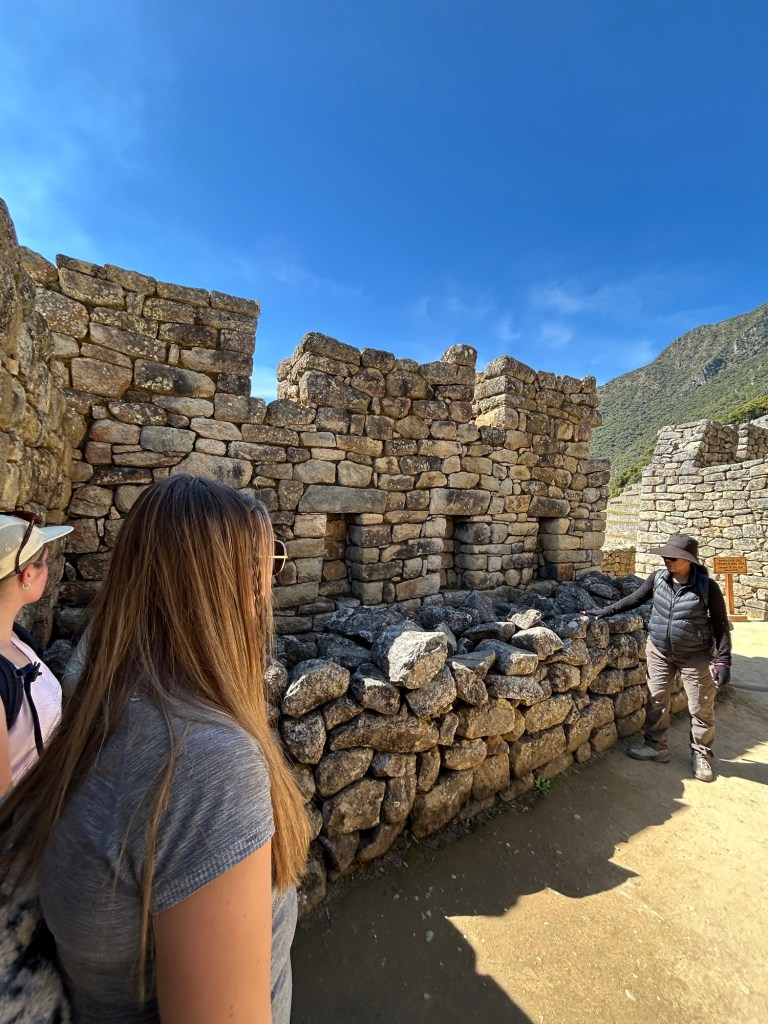
We got to spend a good amount of time touring the site and learning more about its heritage from our guide, Yani. We also took quite a lot of pictures (sorry not sorry). But it was fascinating to actually walk the steps that the Incas built and walked themselves. It’s a little hard to wrap my head around how I can be standing in a place I’ve heard so much about, but could never really grasp until I was there.
Yani took some time to explain to us about tourism and visitation statics for Machu Picchu. At one time, 10,000 people were allowed to visit every day. And at the beginning of the site begging opened, no set trails or restricted areas were allotted. People were free to come and go wherever and whenever they wanted. After some time, the heavy foot traffic began to put stress on the mountain. The buildings were showing signs of wear and cracking, and the city itself was slowly sinking into the mountain. All of these factors made it incredible difficult to preserve the standing structures and continue extractions of the lower areas. Shortly after this discovery, a decision was made to limit a daily capacity of 4,000 people and implement three circuit trails that visitors are required to stay on according to ticket purchases.
With Machu Picchu being just one of the Seven Wonders of the World, its popularity is no surprise. However, as we have seen from years past, mismanagement has put it in danger. Just think, if no one stopped to notice the city sinking, how many years would it take for the whole place to slide off the mountain? And how would we feel as a the protectors of that sacred site? We would have failed and deprived not only our future generations, but the ones from the past who spent years laboring and trying to survive. We can only blame so much of the destruction of the Incas on the Spanish Inquisition. It is our duty today to preserve and protect these sites. After all, they have given us so much information and joy over the years.
The wealth of history and knowledge that Machu Picchu holds is irreplaceable. At then end of the day, we must respect the sacredness of the past, and honor it the best we can. If there comes a time where the visitor count must come down again, that is something will just have to be done. However, with the Peruvian government taking a large portion from the site’s revenue, it’s a concern that some people may hold too much power to make the wrong decision. While there are projects like an additional observation point being considered, we must also be vigilant in acting as sustainably and responsibly as possible within the context of the site itself. There are strict rules about what you cannot bring into the site. For example: hiking sticks. Yet we saw more than a few people continuing to use them. Even my group had snacks and plastic wrappers in and out of our bags. It’s the little things like that we must be conscious about. Are we leaving too many present day footprints behind?
Despite all these concerns, this was truly one of the most incredible experiences of my life. I know how lucky I am to be here, and to share this with so many amazing people. I felt like I was in an entirely different world in Machu Picchu, and I hope it’s the same for many more people to come. While I hope to return one day, I will never forget the first time I laid eyes on those first few terraces visible from the bus path. My heart is full (and so is my camera roll), and I will forever be thankful for the preservation and work that made this possible for someone like me to be able to experience such an outstanding piece of history.
Wrap Up
I think I’ve said quite enough in this post, but to summarize just a little, the past couple days have been incredible. We’ve had so many bumpy bus rides and early wake up times, but those all seem insignificant to what we’ve been able to learn and see. I will forever be grateful for my time spent in this historic city, and I can’t wait to see what the final few days brings our way. The next time I’ll be writing will be on a plane back to home.


Leave a Reply